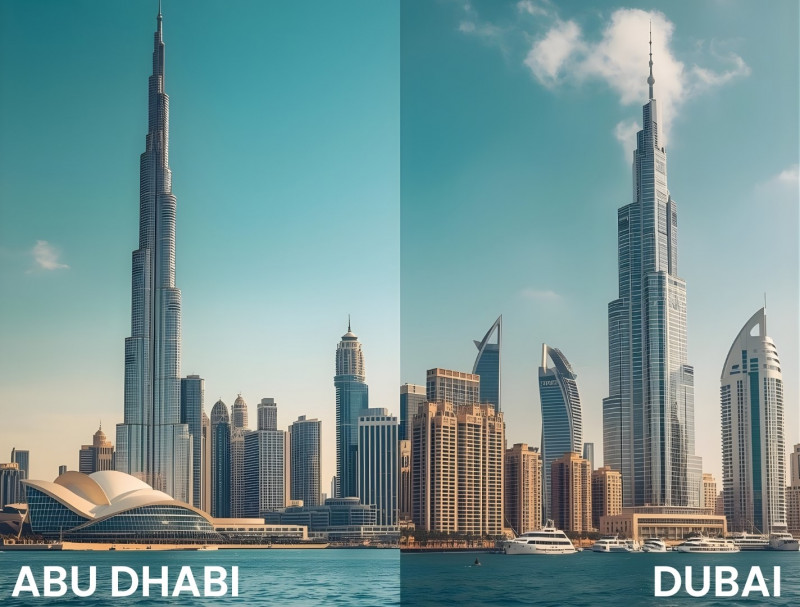
Every overseas investor asks the same question when looking at the UAE:
"Should I buy in Dubai or Abu Dhabi?"
It’s a fair question. Both cities offer tax-free property ownership for foreign buyers, a modern infrastructure, and strong rental potential. But here’s the reality: the markets behave very differently, and choosing the right city can make a huge difference to your returns.
I’ve worked in the Abu Dhabi and Dubai property markets for over a decade, guiding international buyers on which opportunities deliver steady rental income, long-term growth, or both. From my experience, the decision rarely comes down to price alone it depends on your investment goals, risk appetite, and lifestyle expectations.
Here’s what you need to know before committing your capital.
Explore Abu Dhabi properties with stable rental yields today.
Quick Summary: Dubai vs Abu Dhabi at a Glance
Investor Tip: If your goal is consistent rental income and minimal tenant turnover, Abu Dhabi often offers better predictability than Dubai’s fast-paced market.
Book a free consultation with our experts and find the best investment property in Abu Dhabi.
Property Prices: How Abu Dhabi Compares with Dubai
Dubai’s property prices are famously diverse. You can pay a premium for an apartment in Palm Jumeirah or Downtown Dubai, but emerging districts on the outskirts provide more affordable entry points.
Abu Dhabi pricing is more consistent across its major residential communities. Prime waterfront developments like Saadiyat Island and Yas Island command strong demand but rarely fluctuate wildly.
Investor Tip: Slower-moving markets like Abu Dhabi are easier to navigate for first-time buyers or long-term portfolio investors. You’re less likely to be caught off guard by sudden price swings.
Rental Yields and Tenant Demand
Rental yield is often the key deciding factor for international investors.
- Dubai: Yields average 6–8%, particularly in popular apartment districts catering to short-term rentals and tourists. High turnover can lead to higher maintenance and management costs.
- Abu Dhabi: Yields typically sit between 5–7%, but the tenant base is more professional and long-term. Employees in government, energy, and finance sectors often sign multi-year contracts, reducing vacancy and providing predictable income.
Investor Tip: If you want reliable, long-term rental revenue, Abu Dhabi’s professional tenant market can outweigh Dubai’s slightly higher yields.
Market Stability and Long-Term Growth
Dubai is dynamic but volatile. Rapid project launches and frequent supply surges can create opportunity, but the market can also experience sharp corrections.
Abu Dhabi, on the other hand, regulates development carefully. Authorities manage supply and plan urban growth methodically. Major infrastructure and cultural projects, such as Louvre Abu Dhabi, reinforce the city’s long-term appeal.
Investor Tip: Stability matters. For portfolio investors, Abu Dhabi’s controlled market may offer a safer environment to preserve capital.
Lifestyle and Location Appeal
Lifestyle impacts property investment more than most first-time buyers realise.
- Dubai: Known for its fast-paced energy, luxury shopping, and tourism-driven rentals. Ideal for short-term rental strategies and high-end properties.
- Abu Dhabi: Offers a quieter, more residential lifestyle, appealing to families and professionals relocating for work. Communities like Al Reem Island and Al Raha Beach provide modern apartments and villas near business hubs and coastal areas.
Investor Tip: Consider tenant needs. Abu Dhabi properties attract long-term residents who value convenience and amenities over flashy entertainment districts.
Which Market Should You Invest In?
- Dubai suits buyers looking for high transaction volume, faster growth, and the potential for capital appreciation.
- Abu Dhabi appeals to investors seeking stability, long-term tenants, and steady rental income.
The decision comes down to your investment strategy, time horizon, and risk tolerance.
Investor Tip: Many seasoned investors split portfolios between both cities to balance growth and stability.
Why International Buyers Are Choosing Abu Dhabi
Over the past few years, interest from foreign buyers in Abu Dhabi has grown for several reasons:
- Expanding freehold ownership zones for international buyers.
- Consistent demand from professionals and long-term tenants.
- Strong government-led infrastructure and cultural projects.
- Predictable regulatory and planning environment.
Abu Dhabi appeals to those seeking a reliable property investment with steady returns.
Why Choose District Living?
Finding the right property is only half the challenge. The other half is knowing which developments will deliver true value.
Deep Local Market Knowledge
We monitor buyer demand, pricing trends, and new developments to identify areas with strong investment potential.
Access to Leading Developments
From exclusive new projects to select resale opportunities, we provide clients with options that are not always visible on public portals.
Practical Investment Advice
Every buyer is different. We match investment goals with realistic expectations, whether focused on rental yield, capital growth, or portfolio diversification.
Seamless Support Through the Buying Process
Our team guides international buyers through every stage, from property selection to legal registration, ensuring a smooth transaction.
Start your Abu Dhabi property journey with District Living.
Frequently Asked Questions
Is Abu Dhabi property cheaper than Dubai?
Prices in Abu Dhabi are often slightly lower than comparable Dubai developments, particularly in prime waterfront locations. This can allow investors to secure larger apartments or villas for similar budgets. However, pricing varies by district, developer, and unit size. Always compare specific properties rather than relying on average figures.
Which city offers better rental yields?
Dubai can produce slightly higher headline yields, especially for short-term rental or tourist-oriented apartments. Abu Dhabi offers more stable, long-term tenancy, which can lead to less vacancy, lower turnover, and predictable rental income. For long-term investors, stability can outweigh a slightly higher yield.
Can foreigners buy property in Abu Dhabi?
Yes. Designated freehold zones such as Saadiyat Island, Yas Island, and Al Reem Island allow foreign investors to purchase apartments or villas. Ownership rights cover rental income and capital appreciation, with all transactions overseen by the Abu Dhabi Department of Municipalities and Transport.
Is Abu Dhabi a safe property investment?
Abu Dhabi’s property market is considered stable due to controlled development, consistent tenant demand, and a strong economic base. While no investment is risk-free, its measured growth and professional tenant market make it appealing to long-term investors.
Final Thoughts
Dubai and Abu Dhabi both offer compelling investment opportunities, but the right choice depends on your strategy.
Dubai is fast-moving and ideal for capital appreciation, while Abu Dhabi offers stability, predictable rental income, and a professional tenant market.
If you want guidance on which properties in Abu Dhabi currently offer the best combination of growth, rental yield, and long-term security, District Living can help.
Don’t miss out on high-potential Abu Dhabi properties. Start Your Investment Journey Today